The Geography of MSMEs: Why India’s Growth Is Concentrated, Not Broad-Based

FinTech BizNews Service
Mumbai, 3 June 2026: India's MSME sector has emerged as one of the country's strongest economic engines, contributing nearly 30% to GDP, over 45% to exports and supporting more than half of the nation's workforce. However, despite significant progress in formalisation and credit expansion over the last decade, MSME growth remains concentrated in clusters across a handful of states, districts and sectors, according to a new research study by Piramal Finance.
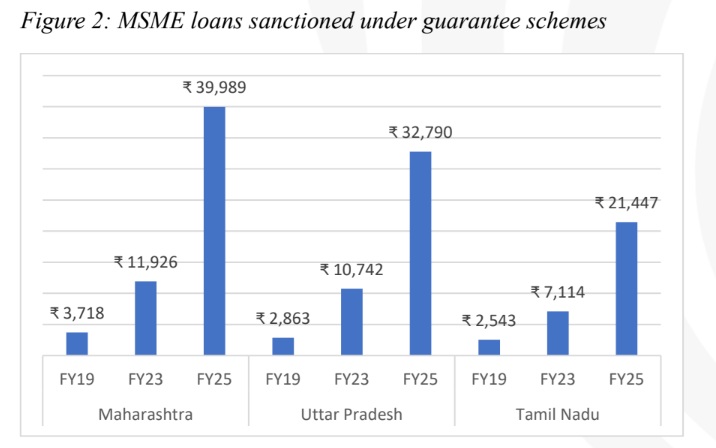
Authored by Debopam Chaudhuri, Chief Economist - Piramal Group and his team, the report titled “The Geography of MSMEs: Why India’s Growth Is Concentrated, Not Broad-Based”, examines systemic concentration within India’s MSME ecosystem and outlines regional distribution of enterprises, credit flows and sectoral composition across India.
Key Findings from the Report
Maharashtra, Tamil Nadu, and Uttar Pradesh account for a disproportionately large share of India’s MSMEs.
Uttar Pradesh and Bihar remain under-served in formal MSME credit relative to their enterprise base.
Nearly 80% of MSME activity in Maharashtra is concentrated within a handful of top districts.
Manufacturing-led states such as Gujarat, Karnataka, and Tamil Nadu continue to generate higher productivity and value addition compared to trading-led MSME ecosystems.
The report calls for differentiated credit frameworks and development of new MSME clusters across Tier-2 and Tier-3 markets.
India has made substantial progress in expanding MSME credit and formalisation. However, the next phase of development must focus on improving the distribution of growth,” says Debopam Chaudhuri, Chief Economist - Piramal Group. He further adds, “The challenge is no longer just about increasing credit volumes but ensuring that credit reaches underserved regions, supports productive sectors and helps create new centres of economic activity. A more balanced MSME ecosystem will be critical to achieving inclusive and sustainable growth."
The study notes that while policy interventions have significantly strengthened the MSME ecosystem and expanded formal financing, future efforts must focus on geographically differentiated credit strategies, targeted guarantee mechanisms, development of new industrial clusters in emerging markets, and greater support for manufacturing-led enterprise growth.
As India advances towards its long-term economic aspirations, the report concludes that the success of MSME policy will increasingly be measured not by the volume of credit disbursed, but by its ability to reduce regional disparities, improve productivity and create a more balanced foundation for growth.
