The recent rally in longer-dated US Treasuries could prove temporary, with fiscal concerns likely to resurface as the next debt-ceiling confrontation approaches in mid-2027.
FinTech BizNews Service
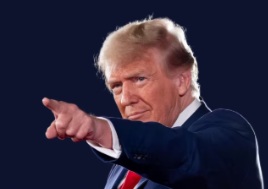
Mumbai, 04 November, 2026:The 2026 US Midterm Elections have produced a historic ‘blue wave’ victory for the Democratic Party, which secured control of both chambers of Congress. The Democratic Party successfully flipped the House of Representatives and won a clear majority in the Senate. The outcome is specifically driven by voter dissatisfaction over the cost of living and the Trump administration's military conflict with Iran.
Ms Rajani Sinha, Chief Economist, CareEdge Ratings has shared interesting observations on the US Midterm Elections Results and their impact on Indian markets:
“US Treasury yields have eased marginally following the early election results, reflecting increased investor demand for safe-haven assets. The dollar index has also softened, with a higher risk of a correction in US equity markets, mainly led by AI stocks. Beyond the immediate market reaction, a potential shift in sectoral preferences warrants attention. Democrats have traditionally advocated stronger federal oversight of the technology sector, tighter safeguards and greater data privacy protections. Democratic lawmakers have also raised concerns about the implications of data centre expansion for electricity and water consumption, as well as the potential impact on utility costs. Proposals to tax AI infrastructure and companies have also emerged in the past, partly to compensate for potential losses in payroll tax revenues and finance worker-transition programmes amid AI-driven labour displacement. Any regulatory tightening or higher compliance costs that weigh on US technology and AI valuations could encourage global investors to diversify towards other markets, including India. The initial FPI inflows in November provide some optimism on this front. However, the medium-term outlook carries some underlying risks. The recent rally in longer-dated US Treasuries could prove temporary, with fiscal concerns likely to resurface as the next debt-ceiling confrontation approaches in mid-2027. Additionally, if a sharp correction in AI stocks occurs instead of a sector rotation, it could trigger recession fears and affect economies globally.”
