An estimated credit gap of nearly Rs30 lakh crore remained for MSMEs
FinTech BizNews Service
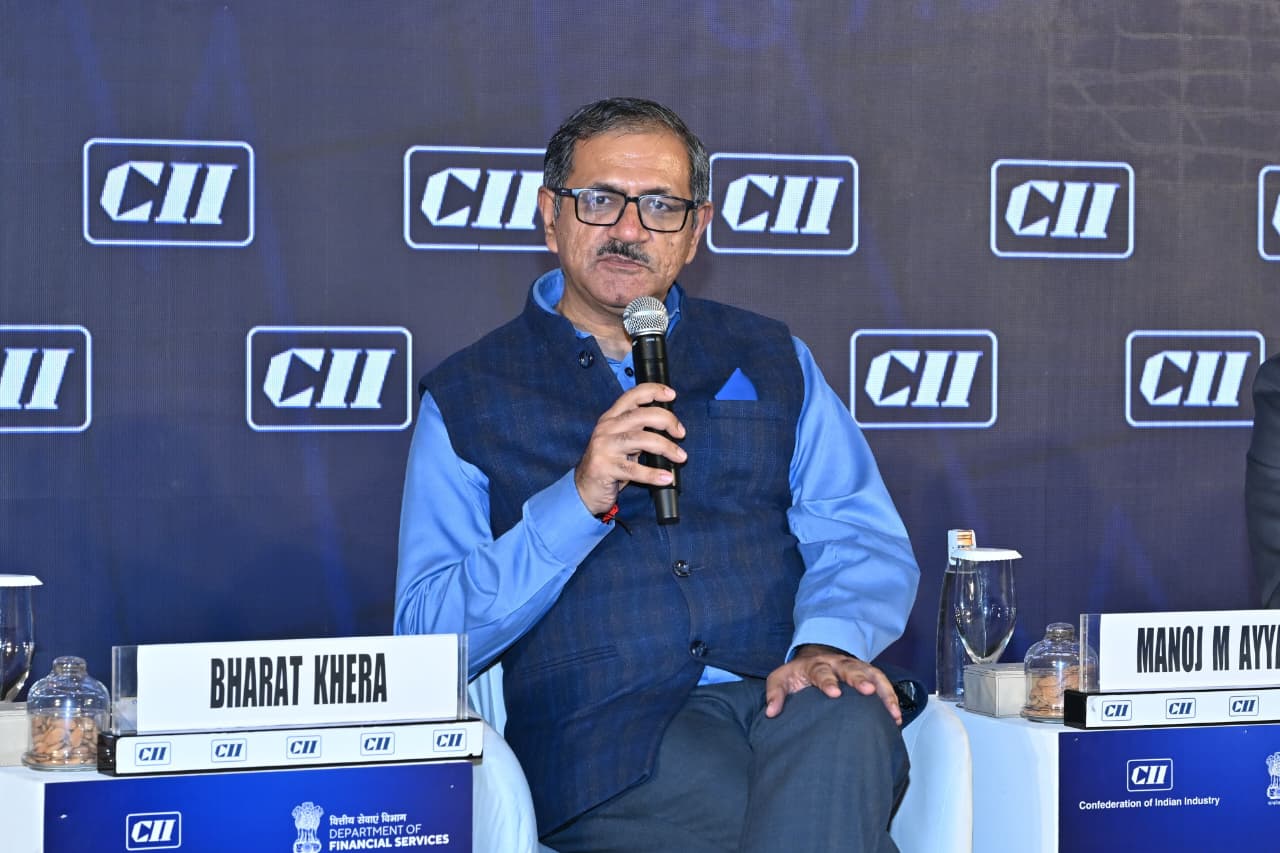
Mumbai, 20 November, 2026: India’s MSME financing ecosystem must provide different forms of capital suited to the requirements of enterprises at each stage of their growth, emphasised Shri Bharat Khera, Secretary, Ministry of Micro, Small & Medium Enterprises, Government of India. “The question is not just how much credit, but whether the right form of finance is reaching the right enterprise at the right time” he said. He was speaking at the CII-DFS Financing Summit 2026. While micro units require affordable working capital, manufacturers investing in machinery need appropriately structured term loans, suppliers awaiting payments require liquidity against receivables, exporters need competitive trade finance, and enterprises seeking to invest in technology, capacity or new markets require patient equity support, he added.
Shri Khera noted that the number of formally registered MSMEs had crossed 10 crore by 31 October 2026, compared with approximately 1.65 crore five years earlier, opening new avenues for institutional finance. Outstanding credit to the sector had increased fourfold, from approximately Rs10 lakh crore in 2014 to Rs40 lakh crore, although an estimated credit gap of nearly Rs30 lakh crore remained. Credit guarantees had strengthened lender confidence, with the guarantee ceiling under CGTMSE doubled from Rs5 crore to Rs10 crore and cumulative guarantees reaching approximately Rs16.49 lakh crore by October 2026.
Highlighting the need to widen financing channels, Shri Khera noted that invoice discounting through TReDS had increased from around Rs1,000 crore in 2018 to Rs3.5 lakh crore in the previous year, unlocking working capital for MSMEs. He also emphasised the need to expand export finance and patient equity support. Under the Self-Reliant India Fund, daughter funds had mobilised approximately Rs48,000 crore from other investors, while around Rs23,000 crore had been invested in 865 MSMEs. Guidelines for the proposed Rs10,000 crore SME Growth Fund were expected shortly. Having substantially advanced formalisation, the next priority, he stressed, was to enable MSMEs to scale through coordinated access to debt, equity, markets and technology.
Speaking at the session, Shri Manoj M Ayyappan, Joint Secretary, Department of Financial Services, Ministry of Finance, Government of India, attributed the expansion of MSME credit to initiatives such as the Pradhan Mantri MUDRA Yojana, wider credit-guarantee coverage and timely liquidity support. Digital cash-flow-based lending had also improved access to finance, with public-sector banks disbursing approximately Rs1.18 lakh crore through digital platforms in the previous year. Going forward, he called for end-to-end digitalisation of lending, lower intermediation costs and wider geographical distribution of credit. He also proposed developing the Udyam Assist Platform into a financing marketplace and designing repayment structures aligned with sector- and geography-specific cash flows.
Shri Sachin Seth, Co-Chair, CII Committee on Fintech, and Regional Managing Director, India and South Asia, CRIF,
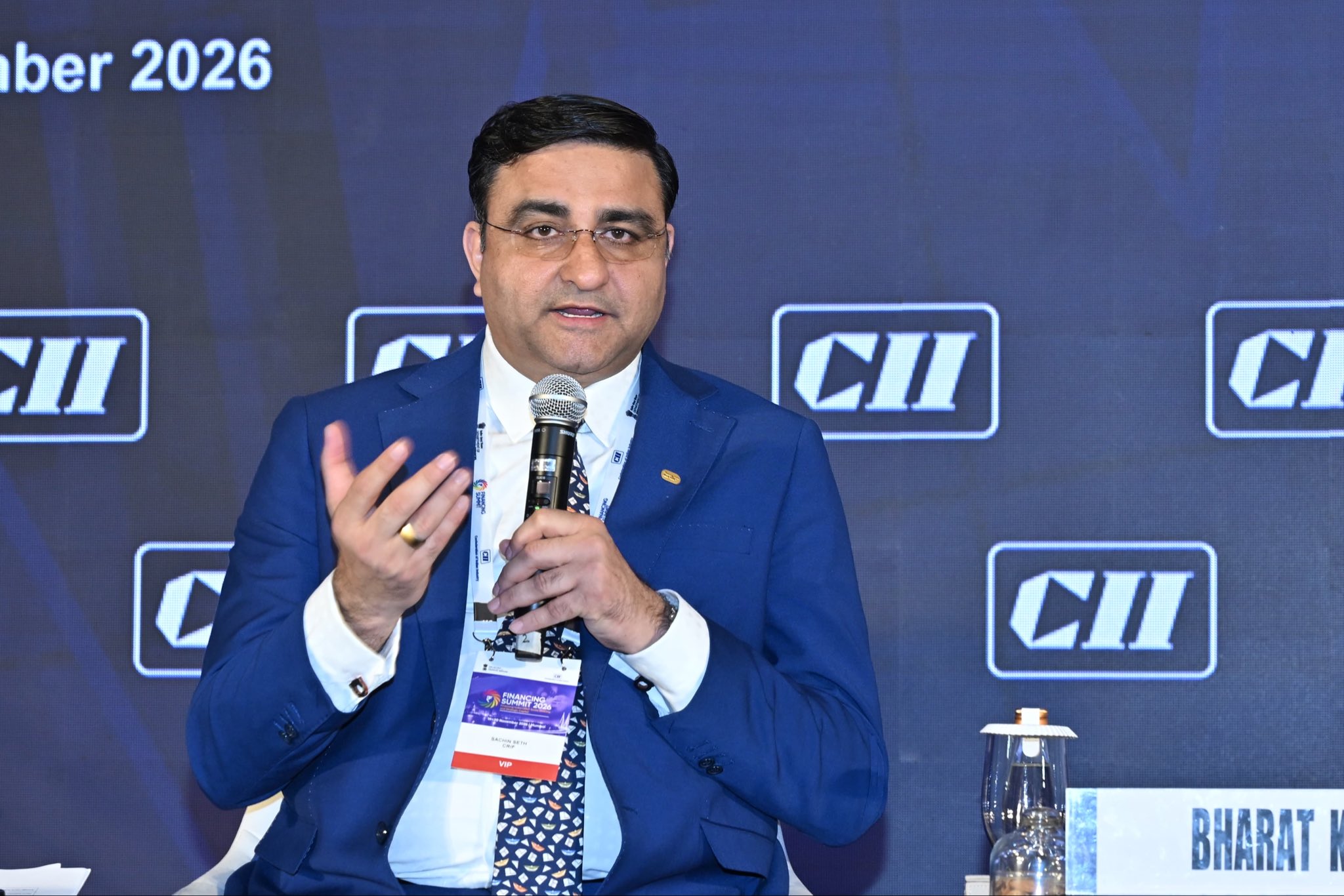
highlighted the growing role of timely and alternative data in improving MSME credit assessment. Credit bureau information was now being updated weekly, reducing the effective information lag to around nine days. He added that combining this information with the Account Aggregator framework, GST and income-tax records and the Unified Lending Interface could strengthen cash flow-based lending and reduce reliance on conventional collateral based models.
Shri Ravi Narayanan, Managing Director & CEO, SMFG India Credit Co Ltd, stressed that the absence of a conventional balance sheet did not imply a lack of creditworthiness, and that transaction and cash\-flow data could enable lenders to assess thin file enterprises more accurately. He called for supply chain liquidity to reach enterprises across the deeper tiers, supported by greater participation of Non Banking Financial Companies. Shri Nandakumar K, Chairman & Managing Director, Chemtrols Industries Pvt Ltd, noted that while access to finance had improved considerably, greater support for automation, technology adoption and trade related financing would be essential to integrate MSMEs into global value chains. He also called for an MSME focused Production Linked Incentive framework to support enterprise expansion and competitiveness.
Concluding the session, the panellists identified consent-based, integrated cash-flow data as a potential breakthrough for MSME finance by 2030. Priorities included creating a portable “cash-flow passport” for first-time and thin-file borrowers; improving the accuracy and interoperability of financial data; doubling the reach and outstanding value of export credit; expanding open-network supply-chain financing beyond anchor-led models; and developing financing products for innovation and intellectual property. Stronger payment discipline among large buyers, proactive working-capital support and wider use of digital public infrastructure would be critical to converting India’s formalisation gains into greater enterprise investment, competitiveness and scale.
