The crisis is worsened by widespread recovery harassment, with most borrowers facing abusive calls, threats, and even home visits
FinTech BizNews Service
Mumbai, 8 January 2026: Expert Panel (https://expertpanel.org/), India's legal support system for loan resolution and protection from financial harassment, has come out with a survey of 10,000 distressed borrowers (June–December 2025).
Here are the major findings of this survey:
Buy now, pay later (BNPL), instant loan apps and personal loan EMIs are emerging as a significant source of loan distress among Indians, with 85% of distressed borrowers reporting EMI burdens exceeding 40% of their monthly income. This exclusive survey, conducted by the Expert Panel between June and December 2025, was carried out among 10,000 financially distressed borrowers across India, yielding many shocking revelations. The survey reveals critical insights into the financial challenges, debt management strategies, and recovery prospects of borrowers facing significant repayment difficulties. The findings indicate systemic vulnerabilities in India's credit ecosystem and an urgent need for structured debt relief mechanisms.
According to the report, a significant imbalance has been created in the distribution of the EMI-to-Income ratio in India, as distressed borrowers reported borrowing far beyond their ability to repay with their current incomes. This has been further highlighted in the report, which showed that financially stressed individuals with an average monthly income of INR 35,000 - INR 65,000 have an average monthly EMI obligation between INR 28,000 - INR 52,000. This imbalance in the EMI to earnings ratio is adding significant financial stress on Indian families, the impact of which becomes evident in the welfare of the family members. This has resulted in the borrowers having insufficient funds for basic expenses like food, utilities, transportation, forcing them to credit card rotation (40%), additional loans, friends & family support (22%), along with informal lending.
The impact seldom stops here. According to the report, a considerable 65% of borrowers surveyed have also reduced their essential spending, including stopping children’s education, deferring medical treatment, cancelling insurance policies, cutting food / nutrition budget, and others. Meanwhile, 16% borrowers have resorted to salary draws and advances, while 15% have been forced into asset liquidation, by selling gold / jewellery (8%), property sale (2%), and stock / mutual fund redemption (5%).
While these strategies provide temporary relief of 2-6 months, they undoubtedly contribute to accelerating long-term financial deterioration with additional interest burdens and reduced future capacity. As a result, non-repayment has increased, leading to borrowers facing recovery agency harassment. A considerable 72% of the borrowers surveyed report some form of harassment from recovery agencies, while 67% have reported receiving frequent calls, often abusive, from lenders. The impact does not end here, as 11% report home or workplace visits by collection agents, while 8% report threats of legal action. The Expert Panel survey reveals that average calls per borrower stand between 50-100+ every month, which are often not aligned with RBI-regulated times, and come at early morning (6-8 AM) and late evening (8-10 PM). Furthermore, 39% of the borrowers report that they receive multiple calls every day from the same lender, while 70% reveal they receive SMS or WhatsApp threats and warnings.
The loan recovery harassment seldom stops at this point, as it often leads to physical harassment as well. The Expert Panel report reveals that 11% of the distressed borrowers witness home visits, while 18% individuals say their family members have received threats from the recovery agents. Furthermore, 22% of the borrowers have reported that recovery agents have contacted their parents and other references, while 12% say the agents have damaged their reputation by involving their workplace or employers. This draws a grim picture of the state of loan recovery harassment in India, which often leads borrowers to take unfortunate decisions. The threats, public shaming, and psychological pressure become the primary contributing factors for personal and professional distress and damage.
Loan recovery harassment also results in long-term psychological impact, which has been detailed by Expert Panel’s survey. The report entails how over 50% borrowers report significant mental health consequences such as anxiety and sleep disturbances, depression and hopelessness, marital stress and family conflict, impact on work performance, and even suicidal ideation in extreme cases.
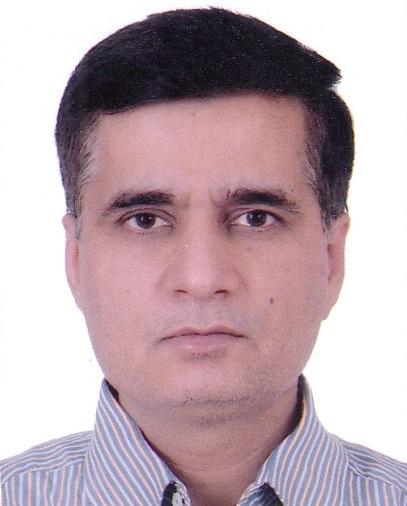
“Loan recovery harassment in India is often counterproductive, and borrowers often manage it with call avoidance, changing phone numbers, or fleeing their residence — none of which leads to resolution for the borrowers. The loan recovery harassment by recovery agents often remains illegal, but as per the report, borrowers demonstrate limited awareness of regulatory protections such as Fair Practice Code, Banking Ombudsman redressal and Debt Recovery Tribunal procedures making them vulnerable to predatory practices.” says Mr. Anurag Mehra, Director of Expert Panel.
The survey also documents several practices by recovery agents that violate RBI guidelines. This includes harassment during restricted hours, threats and abusive language, unauthorized disclosures to third parties, and repeated unannounced home visits. However, these challenges can be addressed by increasing borrower awareness of their rights and recourse available against these violations. The Expert Panel survey also highlights the need for policy interventions such as debt relief mechanisms, recovery regulation, financial literacy, credit rate regulation, settlement framework, and regulatory oversight. For instance, the debt relief mechanisms can establish formal debt relief procedures for distressed borrowers, while also strengthening RBI guidelines on recovery practices with mandatory licensing of recovery agencies and a penalty framework for violations. Additionally, it is also imperative to ensure mandatory financial literacy programs in schools and periodic refresher workshops for the working population.
The report also suggests capping interest rates for high-risk loans to prevent predatory lending, especially in the digital lending space. It is also important to ensure a settlement framework by creating a structure to facilitate lender-borrower negotiations. It is also important to bolster regulatory oversight of app-based lenders currently operating with minimal compliance requirements. The report, in a foundational aspect, highlights the systematic vulnerability and recovery agency abuse — essentially showcasing the importance of structured intervention that addresses both borrower level actions and systemic reforms, preventing escalation of this crisis into a systemic financial challenge while enabling distressed borrowers to rebuild their financial lives with dignity and hope.
