The pause provides stability to borrowers and supports momentum in credit growth, particularly to MSMEs while giving the central bank flexibility to respond to emerging risks through pro-active liquidity management.”

FinTech BizNews Service
Mumbai, April 8, 2026: The Monetary Policy Committee (MPC) held its meeting from April 6 to 8, 2026, under the chairmanship of Shri Sanjay Malhotra, Governor, Reserve Bank of India. The MPC had a detailed assessment of the evolving macroeconomic and financial developments and the outlook.
https://fintechbiznews.com/govtregulators/repo-rate-525-drag-on-domestic-prod-in-26-27
The RBI Governor made a statement on Developmental and Regulatory Policies, on April 08, 2026.
https://fintechbiznews.com/govtregulators/relief-to-banks-on-crar-computation
Here are the representative perspectives of the senior bankers of the leading banks:
Shri Challa Sreenivasulu Setty - Chairman, State Bank of India and Indian Banks Association (IBA):

"The RBI’s decision to maintain a status quo stance, amid ongoing global uncertainties, reflects a prudent and well-calibrated approach aligned with market expectations. With growth projected at 6.9% for FY27 and inflation expected to remain within the target band, the policy underscores stability while leveraging communication and regulatory refinement as key levers. Importantly, measures such as the removal of the Investment Fluctuation Reserve requirement and easing of CRAR computation norms will further strengthen banks’ capital positions and help support credit growth on a sustained basis. Simultaneously, initiatives like streamlined MSME onboarding on TReDS platforms and expanded participation in the term money market reflect a strong commitment to enhancing ease of doing business and improving liquidity. Separately, RBI’s move to simplify regulatory guidance will enable bank boards to have a sharper focus on strategic priorities, further strengthening their risk and governance capabilities."
Sanjay Agarwal, Founder, MD & CEO, AU Small Finance Bank:

“By choosing to hold the repo rate steady at 5.25 per cent and monetary policy stance unchanged in today’s policy, the Monetary Policy Committee essentially signals that while the economy has resilience, it is pragmatic to exercise caution amidst unprecedented global uncertainties. Inflation and growth projections for the financial year 2026-27 at 4.6 per cent and 6.9 per cent, respectively are realistic given the likely spillover effects of the West Asia conflict.
Market has digested RBI’s caution about upside risks to inflation and downside risk to growth over the baseline scenario due to rise in input costs following supply chain disruption relating to crude oil, gas and other commodities. The pause provides stability to borrowers and supports momentum in credit growth, particularly to MSMEs while giving the central bank flexibility to respond to emerging risks through pro-active liquidity management.”
Salee S Nair, MD and CEO, TMB (Tamilnad Mercantile Bank); “

The MPC's decision to hold rates at 5.25% in the face of global oil volatility is the right call not a pause, but a pivot to patience. For a bank like Tamilnad Mercantile Bank, the signal is clear that the next phase of growth will not be liquidity-constrained but execution-driven. System liquidity is being actively managed through fine-tuning tools such as VRR auctions and the standing deposit facility, which should keep funding conditions stable even amid external volatility. MSMEs, particularly in export-linked and supply chain ecosystems, are entering a phase where working capital cycles are becoming more volatile due to global disruptions. This requires banks to move beyond collateral-led lending to dynamic, cash flow-based assessment models anchored in GST trails, account aggregator frameworks and transaction data.
For TMB, with its strong regional franchise and deep MSME relationships, this is an opportunity to sharpen portfolio granularity, recalibrate sectoral exposures and build early-warning systems that are more predictive than reactive. Growth will increasingly come from flexible financing solutions that mirror underlying business cycles rather than rely solely on rate-led demand impulses.”
Ms. Anitha Rangan, Chief Economist, RBL Bank
Managing Risk: Amidst a heightened geo-political turbulence, RBI maintained the policy rate and neutral stance but not without highlighting “Upside Risk” to all its forecast. While inflation is expected at 4.6% for FY27 and growth at 6.9% there are risks for both not just from geo-politics but also from El-Nino. Governor highlighting Current Account Deficit Risk in FY27 suggests that RBI has a heightened vigil and will not hesitate to hike. Notably the MPR which has released its forecast for FY27 has oil prices at $85/bbl vs $70/bbl in the last forecast which automatically translates to an elevated CAD risk. As funding for CAD remains a challenge (FDI, FPI) by highlighting the risks we would think that RBI is warming up to a rate hike down the road. 2 out of three points to a hike (CAD, Inflation while growth at 6.9% does not need a rate cut but a pause.
The five channels of transmission viz. elevated crude prices, supply side shocks of energy, fertilizer, higher risk aversion and switch to safe haven, impact from lower remittance flows and financial market turbulence impacting cost of borrowing all indicate that prospective borrowing costs are likely to be higher than status quo.
While risks are on the upside domestic growth support and lower inflation give RBI and Indian economy the elbow room to navigate the same. Overall, in comparison to the past the starting point for India is at a stronger footing and therefore be able to navigate well. RBI and Government support should manage the risk.
Ajay Kumar Srivastava, Managing Director & CEO, Indian Overseas Bank:
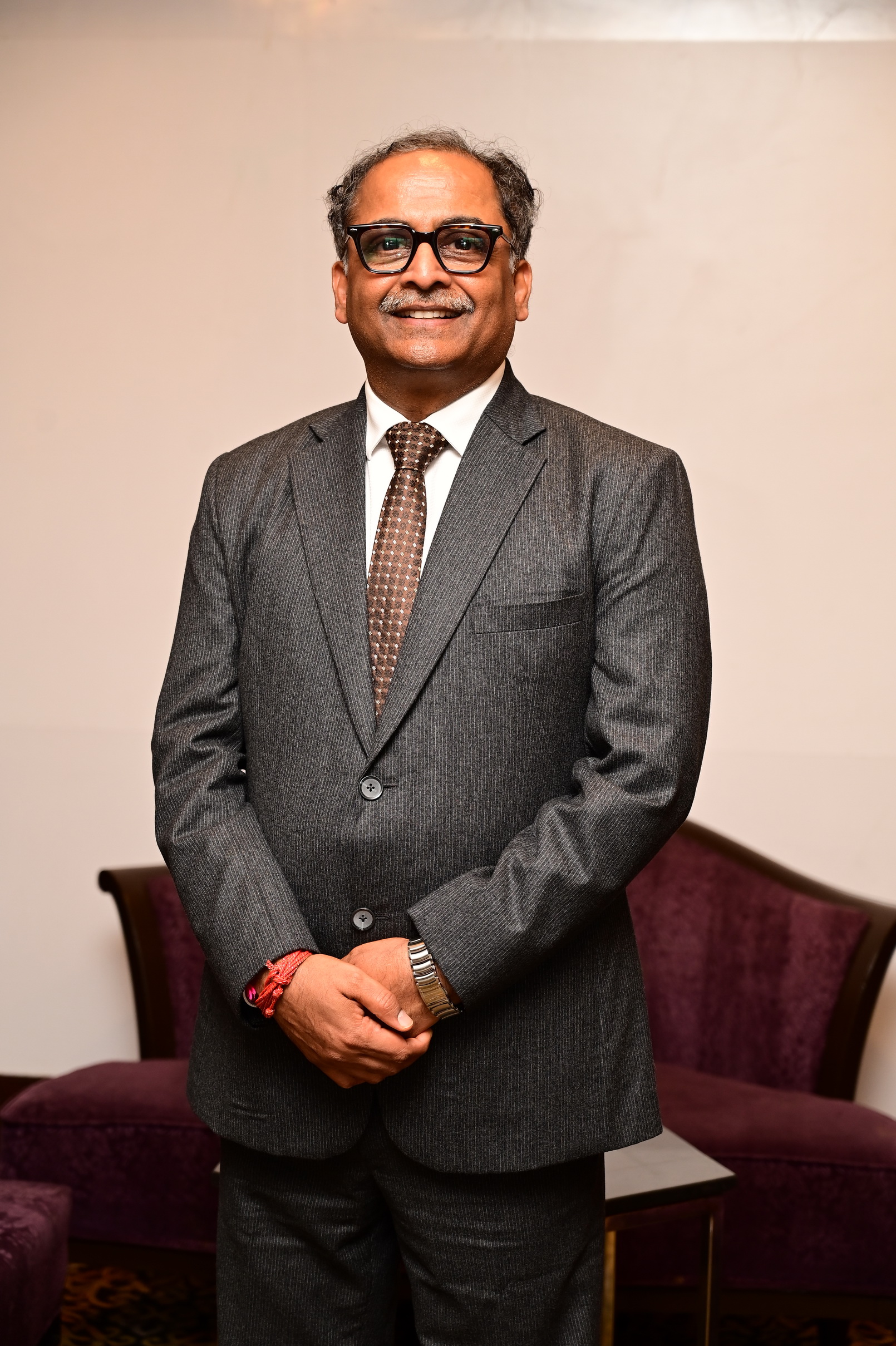
"The RBI’s decision to keep the repo rate unchanged at 5.25% reflects a balanced and ‘safety-first’ approach, prioritizing macroeconomic stability. While the Indian economy continues to demonstrate strong growth at 7.6%, a cautious stance is warranted amid evolving global uncertainties, particularly geopolitical tensions in West Asia and volatility in crude oil prices.
By maintaining the rates steady, the RBI is reinforcing the sustainability of the ongoing recovery while ensuring predictability in borrowing costs which is a welcome relief for both households as well as businesses.
We also respect the RBI’s continued focus on improving ease of doing business, especially for MSMEs. The removal of due diligence requirements for onboarding onto the TReDS platform is a progressive step that will significantly enhance liquidity access and working capital efficiency for small businesses. Further, measures aimed at simplifying banks’ capital management frameworks and broadening participation in the term money market will deepen financial markets, enhance systemic efficiency, and strengthen overall financial stability.”
