MoRD–NHB organised “PMAY-G Reform Samvad” in Lonavala
FinTech BizNews Service
Mumbai, 02 November, 2026: The Ministry of Rural Development (MoRD), jointly with the National Housing Bank (NHB), spearheaded “PMAY-G Reform Samvad”, a one-day stakeholder dialogue on reforms for strengthening rural housing under PMAY-G. It brought together MoRD, NHB, State Rural Development Departments, the World Bank, International Finance Corporation, Sa-Dhan, TCIS Habitat for Humanity International and lending institutions, including Housing Finance Companies (HFCs), Regional Rural Banks (RRBs), Small Finance Banks (SFBs) and Micro Finance Institutions (MFIs).
Departing from the conventional view for rural loans, the discussion witnessed the lenders describing PMAY-G households as a promising and largely untapped segment. They noted that beneficiaries are verified under the scheme, Government assistance covers a substantial part of the cost, and construction is tracked through milestones on the PMAY-G platform, which reduces the cost and risk of lending. They expressed willingness to design dedicated loan products and to work with the Ministry, NHB and States on enabling reforms.
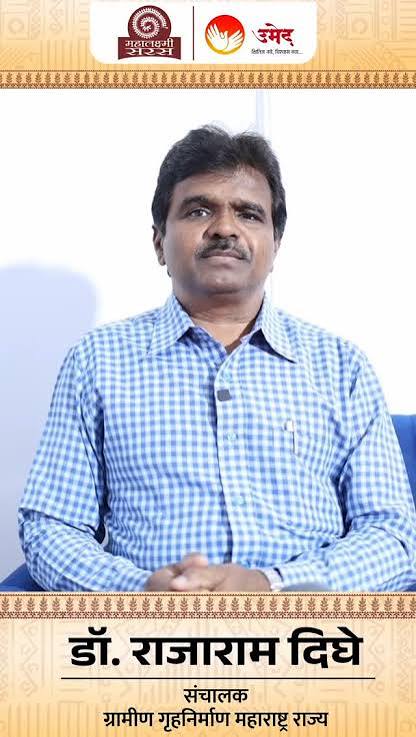
Earlier in the morning, Dr. Rajaram Dighe, Director, Rural Housing, Government of Maharashtra, welcomed the participants. Shri Sanjay Shukla, Managing Director, NHB, underlined the need for affordable institutional credit to help rural families complete their homes. Shri Piyush Srivastava, Senior Economic Advisor (Rural Housing), MoRD, delivered the keynote address, setting the direction for the day. He mentioned that PMAY-G was the world’s largest housing scheme and its achievements in rural housing are a matter of great satisfaction. He, however, called for greater coordinated push towards the national goal of housing for all where the institutional finance can act as a force multiplier. NHB, the World Bank, Sa-Dhan and TCIS Habitat for Humanity International then presented global and grassroots perspectives on rural housing finance.
Why institutional credit matters for PMAY-G
PMAY-G aims to complete 4.95 crore pucca houses by March 2029. The cost of building a rural house often exceeds the assistance under the scheme, and arranging the balance can delay construction and push households towards high-interest informal lenders. Lenders with last-mile reach, in turn, face funding gaps, perceived credit risk and the absence of standardised rural housing loan products. The Samvad deliberated on:
Three mixed breakout groups of lenders and State Governments presented their recommendations in plenary, followed by an open forum.
Key Outcomes of the Deliberations
A key takeaway was the keen interest of HFCs, SFBs and MFIs in extending credit to PMAY-G beneficiaries over and above scheme assistance. Lenders cited unclear land titles, restrictions on mortgage of allotted properties, seasonal incomes, high transaction costs and perceived credit risk as the main barriers. To translate this interest into lending at scale, participants recommended:
Review of PMAY-G progress
The workshop also reviewed PMAY-G progress in Maharashtra, Rajasthan, Madhya Pradesh, Assam and Kerala, including a dedicated session with PFMS to resolve State-specific SNA SPARSH issues.
Way forward
The interest shown by lending institutions marks an important step towards combining Government assistance with institutional credit, so that PMAY-G families can complete quality homes without costly informal borrowing. The Ministry will examine the suggestions emerging from the Samvad and take them forward in consultation with NHB, State Governments, lending institutions and knowledge partners.
