Achieving the fiscal targets are also commendable after taking into consideration a higher resource sharing with the State Governments, as suggested by the 16th Finance Commission.
FinTech BizNews Service
Mumbai, 1 February 2026: Union Minister for Finance and Corporate Affairs, Smt. Nirmala Sitharaman tabled the Union Budget 2026-27 in the parliament on Sunday 1st February 2026. FM Sitharaman said that the Government led by Prime Minister Narendra Modi, has decisively and consistently chosen action over ambivalence, reform over rhetoric and people over populism.
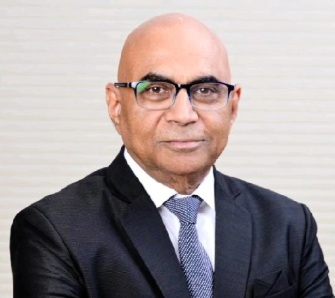
Mr. Prashant Kumar, Managing Director & CEO, YES BANK, presents detailed analysis of the budget:
“This Budget needs to be seen in connection to the previous few year’s Budgets, especially with it comes to the FM carefully managing the near-term objectives with longer term goals. While the hopes of a bumper resource generation year were limited with the growth in FY27 pragmatically assumed at 10%, the FM achieved the objectives of reducing both the public debt and the fiscal deficits as % of GDP, thereby sticking to the roadmap of fiscal consolidation. Achieving the fiscal targets are also commendable after taking into consideration a higher resource sharing with the State Governments, as suggested by the 16th Finance Commission.
The long-term strategy of the budget remained focused on harnessing the demographic dividends and achieve the true potential of the economy. The Budget maintained the momentum of structural reforms with a forward-looking approach, build a financial sector that was robust and resilient and use technology, including AI, to achieve productivity. A boost to the semi-conductor sector and electronics manufacturing along with strategies to establish dedicated Rare Earth Corridors, clearly establishes the intention towards not only making the Indian economy self-reliant, but also ring fence the economy from global unrests that tend to disturb the supply chain ecosystem. The short-term challenges, specifically the strains at the labor-intensive sectors due to the US tariffs have also been addressed and seeks to promote globally competitive and sustainable textiles and apparels through capital support for machinery and technological upgradation of traditional clusters. Building on last year’s MSME-focused measures, this budget announced an equity support to the SMEs via a dedicated Rs. 10,000 crore SME Growth Fund alongside other measures to strengthen the sector.
A big move was to bring back the services sector into focus. Consequently, safe harbour rules for the IT sector were amended and the threshold for availing safe harbor was enhanced. Recognizing the sharp growth of data centres across the world and to attract global investments in this area into India, a tax holiday was provided to the sector till 2047 to foreign companies that provides cloud services to customers globally by using data centre services from India.”
